
Most traders say they journal their trades.
But when you look closer, many are only logging them.
They record the date, symbol, entry price, exit price, position size, and profit or loss. Maybe they add a short note like “bad entry” or “should have held.” Then they move on to the next session.
That is a trade log. It is useful, but it is not the same as trade analysis.
Logging tells you what happened. Analyzing helps you understand why it happened and what to change next. If you want your trading journal to improve your performance, you need both.
At TradeDoctorAI, this is one of the biggest shifts we help traders make: from collecting trade records to diagnosing trading behavior.
A trade log remembers your trades. Trade analysis teaches you from them.
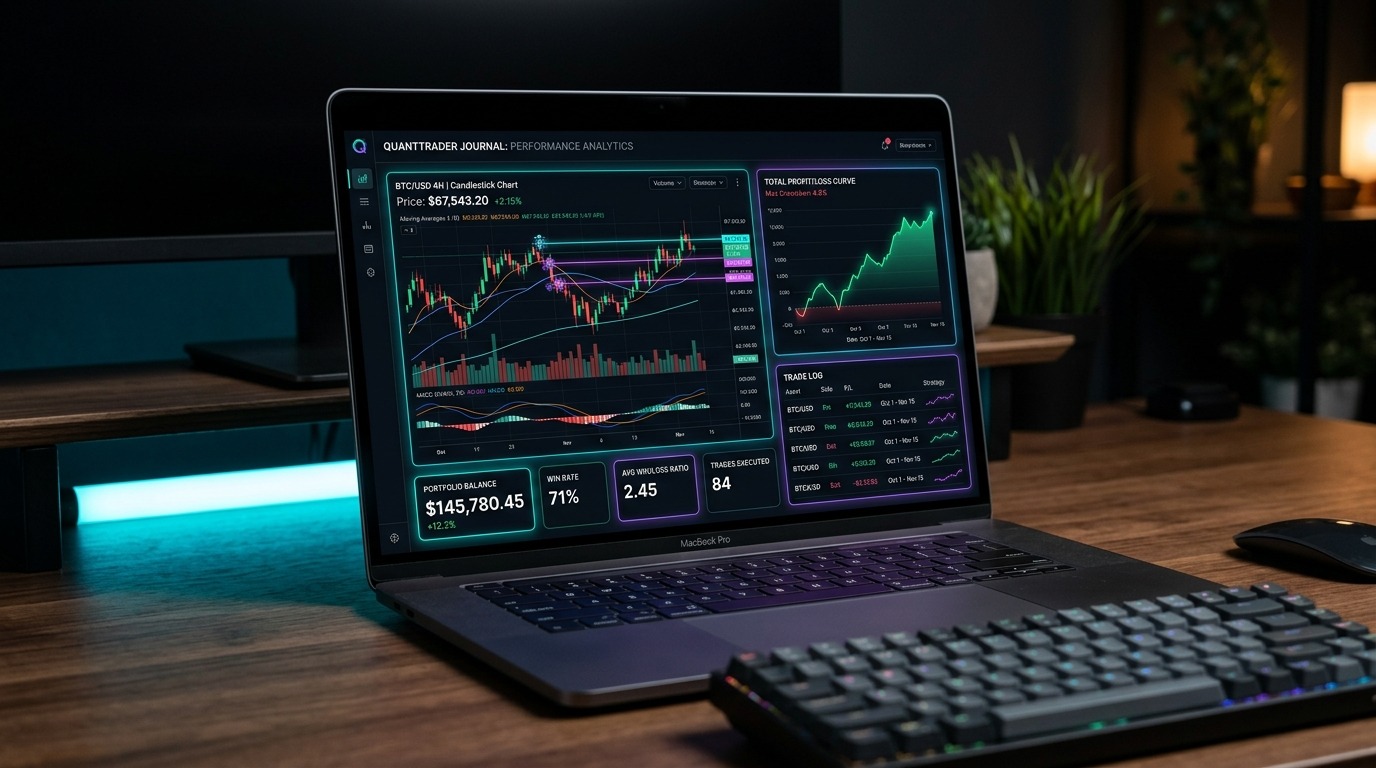
What Is Trade Logging?
Trade logging is the process of recording the basic facts of a trade.
A typical trade log includes:
- Date and time
- Symbol or market
- Long or short direction
- Entry price
- Exit price
- Position size
- Stop loss
- Target
- Profit or loss
This information matters. Without it, you are relying on memory, and memory is not a reliable trading system.
Logging creates a record. It helps you track basic performance, calculate win rate, review account growth, and avoid forgetting what you actually did.
But logging alone is incomplete.
What Is Trade Analysis?
Trade analysis is the process of reviewing your trade data to understand decision quality, risk management, strategy performance, and trading psychology.
Trade analysis asks deeper questions:
- Was the setup valid?
- Did the entry follow the plan?
- Was the market condition right for this strategy?
- Did the stop loss match the invalidation point?
- Did actual risk match planned risk?
- Was the exit planned or emotional?
- Did I trade differently after a loss?
- What pattern keeps repeating?
Analysis turns your journal from a record into a feedback system.
The Simple Difference
| Logging Trades | Analyzing Trades |
|---|---|
| Records what happened | Explains why it happened |
| Focuses on entries, exits, and P&L | Reviews setup, risk, emotion, and execution |
| Creates a history | Creates insight |
| Answers “What did I trade?” | Answers “Was this worth repeating?” |
| Can be done in a spreadsheet | Requires review, context, and pattern recognition |
If your journal only records trades, you may still repeat the same mistakes. If your journal helps analyze trades, it can show you exactly what needs to improve.
Why Logging Alone Feels Productive
Logging feels productive because it creates visible work.
You fill in rows. You update numbers. You track profit and loss. You see your win rate change. It feels like progress because the journal is growing.
But more data does not automatically mean better decisions.
A trader can log 200 trades and still not know:
- Which setup is actually their edge
- Why their biggest losses happen
- Whether they trade worse after losses
- Whether they overtrade in choppy markets
- Whether their winners are disciplined or lucky
This is why many traders say, “I journal, but it is not helping.” The issue is usually not journaling itself. The issue is that the journal stops at logging.
Example: Logging vs. Analysis
Here is how the same trade can look in a basic log and in a real analysis.
Basic Trade Log
- Symbol: BTC/USD
- Direction: Long
- Entry: 62,400
- Exit: 62,050
- Result: -1R
- Note: Bad entry
Trade Analysis
“This was meant to be a pullback continuation trade, but entry happened before confirmation. Market was choppy, and price had already failed two breakout attempts. I entered because I missed the first move and felt rushed. Stop was respected, so the risk was controlled, but the setup quality was low. Lesson: no continuation trades in choppy ranges unless structure is clean and confirmation is complete.”
The log tells you the trade lost. The analysis tells you what to change.
What Good Trade Analysis Includes
A useful trade analysis does not need to be long. It needs to cover the right areas.
- Setup quality: Was this a valid trade according to your plan?
- Market condition: Did the environment fit the strategy?
- Entry quality: Was the entry planned, early, late, or chased?
- Risk management: Did planned risk match actual risk?
- Trade management: Did you follow your rules while the trade was open?
- Exit quality: Was the exit planned or emotional?
- Emotional state: Were you calm, rushed, fearful, frustrated, or overconfident?
- Lesson: What should you repeat or avoid?
This is how you move from surface-level tracking to meaningful review.
Why Analysis Is Hard to Do Manually
Manual analysis takes effort.
You need to review screenshots, notes, market conditions, risk, timing, and emotions. You need to compare trades across weeks or months. You need to be honest about rule-breaking even when a trade made money.
That is difficult because traders are biased toward protecting their own story.
After a win, you may ignore bad execution. After a loss, you may blame the market. After a bad week, you may want to change strategy instead of reviewing behavior.
This is where an AI Trade Review can help. TradeDoctorAI helps traders analyze journal entries, identify repeated mistakes, and connect behavior with results.
How TradeDoctorAI Turns Logs Into Analysis
TradeDoctorAI helps traders move beyond basic trade records by reviewing the context behind each trade.
Instead of only recording:
“EUR/USD short, -0.8R.”
TradeDoctorAI helps you analyze:
- Was the setup valid?
- Was the entry late or early?
- Was the stop placed correctly?
- Did you follow your risk rules?
- Did your notes show fear, urgency, or frustration?
- Has this mistake appeared before?
Over time, AI trading analysis can help identify patterns such as:
- Late entries after missed breakouts
- Overtrading after losing trades
- Stops moved during emotional trades
- Better performance in trending markets
- Lower execution quality during certain sessions
This is the difference between storing information and using it.
When Logging Is Enough
Logging may be enough if you are brand new and just trying to build the habit.
At the beginning, your first goal is simple: stop relying on memory. Record every trade. Build consistency. Learn what data matters.
But once you have trade history, you need analysis.
If you have 50, 100, or 300 trades logged and still do not know what your best setup is, what your worst mistake is, or where your risk breaks down, your journal is underused.
When You Need Deeper Trade Analysis
You need deeper analysis if:
- You keep repeating the same mistakes.
- You journal consistently but do not improve.
- You do not know which setup is your edge.
- Your biggest losses are much larger than planned.
- You trade worse after losses.
- You overtrade during certain sessions.
- You cannot separate good trades from lucky wins.
If any of these sound familiar, your journal should become more diagnostic.
You can find more guides on structured review, trading psychology, and journaling systems on the TradeDoctorAI blog.
How to Start Analyzing Instead of Just Logging
Use this simple process after each trade:
- Log the basic facts.
- Write the setup type.
- Tag the market condition.
- Write the entry reason.
- Compare planned risk with actual risk.
- Write the exit reason.
- Tag your emotional state.
- Mark whether you followed your rules.
- Write one specific lesson.
- Review patterns weekly.
This turns your trading journal into a tool for improvement, not just a record of activity.
Featured Answer: What Is the Difference Between Logging and Analyzing Trades?
Logging trades means recording basic trade details such as date, symbol, entry, exit, position size, and profit or loss. Analyzing trades means reviewing the quality of the decision, including setup, market condition, risk management, emotional state, rule adherence, and lessons.
Logging tells you what happened. Analysis tells you why it happened and what to improve.
FAQ
Is logging trades still important?
Yes. Logging trades is the foundation of trade review. Without accurate trade records, deeper analysis becomes difficult. But logging alone is not enough for serious improvement.
Why is trade analysis better than just tracking profit and loss?
Profit and loss shows the result, but it does not explain the decision. Trade analysis helps you understand whether the trade followed your plan, whether risk was controlled, and whether emotions affected execution.
Can a winning trade be a bad trade?
Yes. A winning trade can be a bad trade if you broke your rules, used poor risk management, chased the entry, or got lucky. That is why analysis matters more than outcome alone.
How often should I analyze my trades?
Analyze each trade briefly after it closes or at the end of the session. Then do a deeper weekly review to identify repeated mistakes and performance patterns.
How does TradeDoctorAI help with trade analysis?
TradeDoctorAI helps traders review trade data, notes, emotions, risk, and execution patterns. It turns basic journal entries into clearer insights so traders can understand behavior and improve decision-making.
Final Thoughts: A Log Remembers, Analysis Improves
Logging trades is a good start. It gives you a record. It helps you stop guessing. It shows what happened.
But if you want to improve, you need analysis.
You need to know whether your trades were planned or emotional, whether your risk was controlled, whether your setup has an edge, and whether your mistakes are repeating.
TradeDoctorAI helps traders make that shift from logging to analyzing. Use it to record your trades, review your behavior, identify patterns, and turn your journal into a feedback system that actually helps you trade better.
Your trade log remembers the past. Your analysis changes the next decision.