
Most traders do not avoid journaling because they think it is useless.
They avoid it because it feels like too much work.
After a trading session, the last thing you want to do is spend 45 minutes filling out a spreadsheet, writing long notes, organizing screenshots, and calculating performance metrics. If the process feels heavy, you will skip it. If you skip it often enough, your trading journal becomes another abandoned tool.
That is why the best trading journal system is not the most complicated one. It is the one you can actually use every day.
At TradeDoctorAI, we believe five focused minutes is enough to capture the key details that matter: what you traded, why you entered, how you managed risk, what you felt, what happened, and what you should learn from it.
A journal you complete in five minutes is better than a perfect journal you keep avoiding.
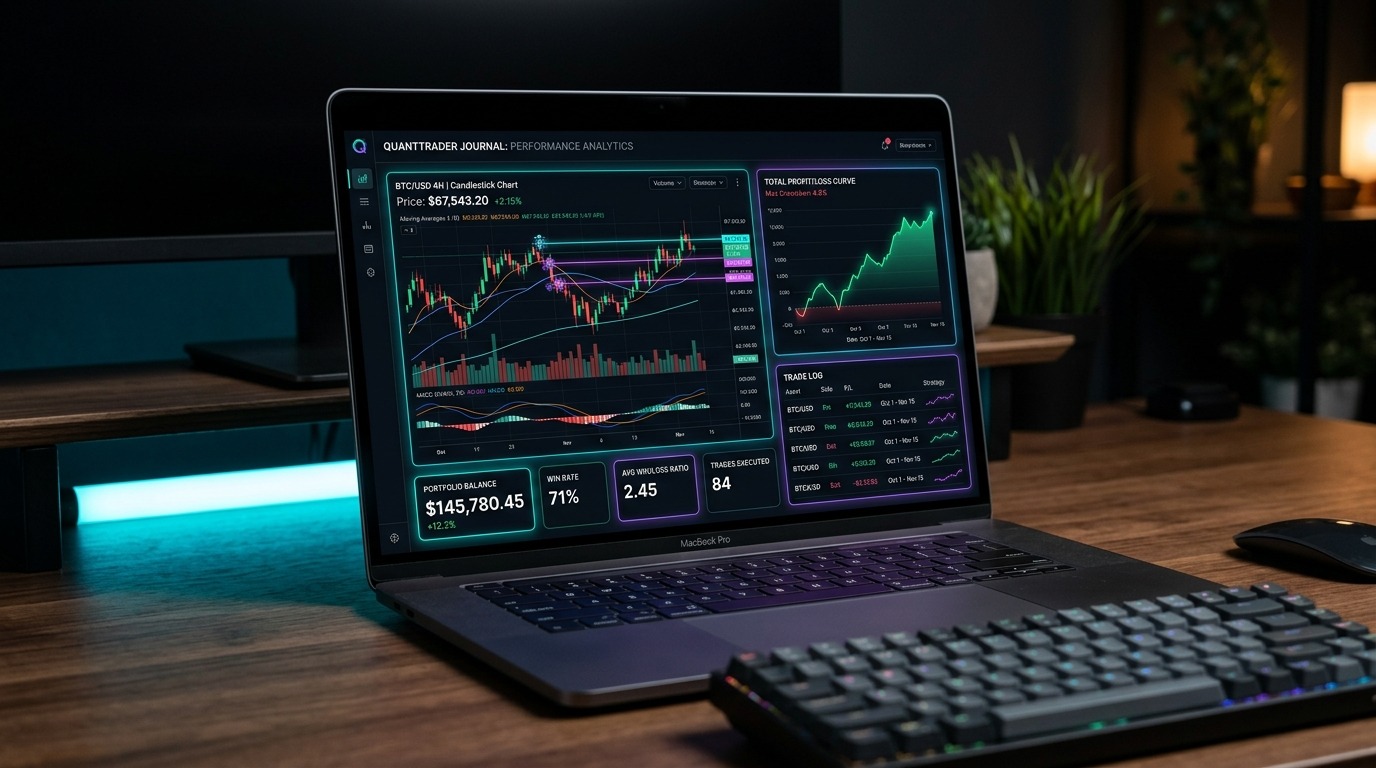
Why a 5-Minute Trading Journal Works
A short journal works because most of the value comes from consistency.
You do not need to write a full essay after every trade. You need enough information to review your behavior later. A good journal entry should make the trade understandable when you come back to it days or weeks later.
The goal is to capture the decision, not write a diary.
A five-minute system helps you:
- Build the journaling habit
- Track the most important trade details
- Identify repeated mistakes
- Review emotional patterns
- Improve risk management
- Avoid overcomplicating the process
When you use TradeDoctorAI, the system becomes even easier because AI trade review can help summarize patterns and turn short notes into useful feedback over time.
The 5-Minute Daily Trade Journal System
Here is the simple workflow.
| Time | Action | Goal |
|---|---|---|
| Minute 1 | Log trade facts | Record what happened |
| Minute 2 | Write entry reason | Capture why you entered |
| Minute 3 | Track risk and exit | Check planned vs. actual behavior |
| Minute 4 | Add emotion and screenshot | Capture context |
| Minute 5 | Use TradeDoctorAI review | Find the lesson |
This is not meant to replace a deeper weekly review. It is the daily layer that keeps your data clean and your memory honest.
Minute 1: Log the Trade Facts
Start with the objective details. Do not analyze yet. Just record the facts inside your TradeDoctorAI journal.
- Date: When the trade happened
- Symbol: What you traded
- Direction: Long or short
- Entry: Your entry price
- Exit: Your exit price
- Result: Profit, loss, or R-multiple
If you only have time for one thing, record the trade while it is still fresh. A half-complete journal entry today is better than trying to remember the trade three days later.
Example
“BTC/USD long, entry 62,450, exit 62,980, result +1.6R.”
Minute 2: Write the Entry Reason
Next, write why you entered.
This is the line that often reveals whether the trade was planned or emotional. Keep it short, but make it specific.
Weak Entry Notes
- “Looked good.”
- “Felt strong.”
- “Wanted to catch move.”
Better Entry Notes
- “Entered after pullback into support with bullish confirmation.”
- “Shorted failed breakout after rejection from resistance.”
- “Took opening range breakout after volume confirmed.”
If you cannot explain the entry clearly in one sentence, that is useful information. It may mean the trade was not as planned as it felt in the moment.
Minute 3: Track Risk and Exit Quality
Risk is where many trading problems hide.
In this minute, write:
- Planned risk: How much you intended to risk
- Stop loss: Where the trade was invalid
- Exit reason: Why you closed the trade
- Rule adherence: Did you follow the plan?
Example
“Planned risk 1R. Stop below pullback low. Exit at target. Followed plan.”
Or:
“Planned risk 1R. Moved stop after entry. Actual loss -1.7R. Broke risk rule.”
This single line can help TradeDoctorAI identify whether your losses are normal trading losses or risk management mistakes.
Minute 4: Add Emotion and Screenshot
Your emotional state is part of the trade data.
Add one emotional tag:
- Calm
- Patient
- Rushed
- Fearful
- Frustrated
- Bored
- Overconfident
- Revenge-minded
Then add one screenshot if possible. It can be an entry chart, exit chart, or full trade review screenshot.
Mark only the essentials:
- Entry
- Stop
- Target
- Key level
- Mistake, if there was one
Example Emotion Note
“Emotion: rushed. I missed the first move and felt pressure to enter the next candle.”
This note may feel small, but after 30 trades, it can reveal a major pattern.
Minute 5: Let TradeDoctorAI Find the Lesson
Once the trade facts, reason, risk, emotion, and screenshot are logged, use TradeDoctorAI to review the trade.
The goal is not to get a motivational summary. The goal is to identify one practical lesson.
TradeDoctorAI can help review:
- Whether the trade matched your setup
- Whether the entry was clear or impulsive
- Whether risk stayed controlled
- Whether emotion affected the trade
- Whether this mistake has appeared before
You can use the AI Trade Review feature to turn the entry into a clearer takeaway.
Example Lesson
“This trade followed the plan. Repeat this setup only when market structure is clean.”
Or:
“This was a rushed post-loss entry. Add a 10-minute cooldown after losing trades.”
The Exact 5-Minute Journal Template
Copy this structure into your daily TradeDoctorAI notes if you want a simple format:
| Prompt | What to Write |
|---|---|
| Trade facts | Symbol, direction, entry, exit, result |
| Setup | What pattern or strategy was this? |
| Entry reason | Why did I enter? |
| Risk | Planned risk, stop loss, actual risk |
| Exit | Why did I close? |
| Emotion | What did I feel before or during the trade? |
| Rule adherence | Followed plan, minor break, or major break |
| Lesson | What should I repeat or avoid? |
Example: A Complete 5-Minute Journal Entry
Here is what a realistic entry might look like:
Symbol: NQ
Direction: Long
Result: -1R
Setup: Opening range breakout attempt
Entry reason: Entered after price broke above opening range high, but volume was weak.
Risk: Planned risk 1R. Stop below range midpoint. Stop was respected.
Exit: Stop loss hit.
Emotion: Slightly rushed because I missed the first push.
Rule adherence: Minor break. Confirmation was weaker than my rules require.
Lesson: Do not take ORB trades without volume confirmation.
This entry is short, but it tells the story. TradeDoctorAI can use this information to detect if weak-confirmation breakout trades keep hurting performance.
What If You Take Multiple Trades in a Day?
If you take several trades, do not write long reviews for all of them during the session. Keep each entry short and consistent.
For each trade, capture:
- Setup
- Reason
- Risk
- Emotion
- Lesson
Then at the end of the day, write one session summary:
- Best trade of the day
- Worst trade of the day
- Main mistake
- Emotional pattern
- Rule for tomorrow
Example Session Summary
“Best trade was the planned pullback long. Worst trade was the third trade after a loss. Main mistake was overtrading after frustration. Tomorrow: stop trading for 10 minutes after any losing trade.”
Why Five Minutes Is Enough for Daily Journaling
Five minutes is enough because daily journaling is not meant to solve everything immediately. It is meant to preserve accurate trade data while the decision is still fresh.
Deeper analysis can happen weekly.
Daily review captures:
- What happened
- Why you entered
- How you handled risk
- What you felt
- What you learned
Weekly review finds:
- Repeated mistakes
- Best setup types
- Worst market conditions
- Emotional triggers
- Risk management problems
You can find more detailed review systems on the TradeDoctorAI blog.
Common Mistakes That Make Journaling Take Too Long
Mistake #1: Writing Too Much
If every trade review becomes a long essay, you may stop journaling. Keep daily entries short. Save deeper reflection for weekly review.
Mistake #2: Tracking Too Many Fields
Beginners often create huge templates with fields they never use. Start with the fields that directly improve decision-making: setup, reason, risk, emotion, rule adherence, and lesson.
Mistake #3: Waiting Until Later
If you wait too long, memory changes the trade. Journal while the decision is fresh.
Mistake #4: Only Reviewing Losing Trades
Winning trades need review too. Some winners are disciplined. Others are lucky mistakes.
Mistake #5: Skipping Emotional Notes
Emotion often explains why a trade happened. If you felt rushed, fearful, bored, or frustrated, write it down.
Featured Answer: How Can I Journal Trades in 5 Minutes a Day?
You can journal trades in 5 minutes a day by recording the trade facts, writing one sentence for the entry reason, noting planned risk and exit reason, tagging your emotional state, adding a screenshot, and using TradeDoctorAI to generate one clear lesson.
The goal is to capture the most useful information quickly so you can review patterns later.
FAQ
Is 5 minutes enough for a trading journal?
Yes, 5 minutes is enough for daily journaling if you focus on the most important fields: setup, entry reason, risk, exit, emotion, rule adherence, and lesson. Deeper analysis can be done during weekly review.
What should I write if I do not have much time?
Write the symbol, setup, entry reason, planned risk, exit reason, emotional state, whether you followed the plan, and one lesson. That is enough to make the trade useful for future review.
Do I need screenshots for every trade?
Screenshots are helpful, but they are not required for every trade. Add screenshots for your best trades, worst trades, emotional trades, and any trade where chart context matters.
Can TradeDoctorAI make journaling faster?
Yes. TradeDoctorAI helps structure your journal entries and uses AI trade review to identify patterns, summarize mistakes, and turn short trade notes into more useful feedback.
Should I journal winning trades too?
Yes. Winning trades can show what to repeat, but they can also hide poor discipline. Review winners to make sure the profit came from good execution, not lucky rule-breaking.
Final Thoughts: Keep It Short, Keep It Honest
Journaling does not need to be complicated to be useful.
If you can spend five honest minutes after trading, you can build a journal that helps you understand your decisions, track your risk, and identify repeated mistakes.
TradeDoctorAI helps make that process easier by turning short daily entries into clearer trading insights. Use it to log your trades, review your emotions, analyze your risk, and build a feedback loop you can actually maintain.
The goal is not a perfect journal. The goal is a journal you actually use.